
When faced with a health crisis, one of the most critical decisions you’ll make is choosing the right hospital for treatment. Your choice can significantly affect the quality of care, recovery time, and overall experience. With healthcare options expanding, it’s essential to look beyond convenience and delve into key factors that indicate a hospital’s capability to offer the best care.
1. Accessibility: Location and Availability
Accessibility is often the first factor people consider when choosing a hospital. A hospital’s location plays a crucial role, particularly in emergency situations. However, beyond proximity, it’s essential to assess whether the hospital has an emergency department equipped to handle a wide range of cases and how readily available doctors and nurses are. Timely access to specialized care can save lives.
2. Competency of Medical Staff:
Doctors, Surgeons, and Nurses The expertise of doctors and surgeons should be the primary criterion for any treatment decision. Look for hospitals that employ specialists trained in your specific health concern. Beyond qualifications, it is essential to consider their experience, particularly in performing complex or specialized procedures. Equally important is the competence of the nursing staff, as they play a critical role in patient care. Hospitals that invest in continuous education and training for their medical staff, especially nurses, ensure a higher level of patient safety and care.
3. Standard Compliance: Certifications and Accreditations
Accreditations and certifications are indicators that a hospital meets International healthcare standards. These certifications demonstrate that the hospital adheres to strict quality protocols, covering everything from patient safety to hospital management. It is essential to choose a hospital that not only meets national regulatory standards but also complies with international healthcare benchmarks.
4. Cleanliness and Infection Control
A hospital’s cleanliness is not just about aesthetics—it’s a critical component of infection control. The most advanced hospitals maintain rigorous 03 hygiene protocols to prevent hospital-acquired infections, which can severely impact recovery. Infection control measures, including sterilization of equipment, maintenance of High Dependency Units (HDUs), and use of appropriate safety gear, can be life-saving.
5. Technological Advancement:
Equipment and Diagnostic Facilities Advanced diagnostic and surgical technologies play a pivotal role in successful treatment outcomes. When selecting a hospital, assess whether it offers the latest in diagnostic imaging, laboratory facilities, and surgical tools. Technological advancement ensures more precise diagnostics, less invasive surgeries, and quicker recovery times. Hospitals that continuously upgrade their technology demonstrate a commitment to providing cutting-edge care.
6. Hospital Environment: Courtesy and Overall Experience
Hospitals should foster a welcoming environment where staff are courteous, responsive, and compassionate. A patient-centered approach significantly improves the treatment experience. The comfort of knowing you will be treated with dignity and respect, whether you’re dealing with receptionists, nurses, or doctors, contributes to a more positive healthcare experience.
7. Specialized Care and Post-Treatment Follow-Up
Choosing a hospital with a clear commitment to follow through until full recovery is vital. This includes comprehensive in-patient care, wellmonitored High Dependency Units (HDUs), Intensive Care Units (ICUs), and post-surgical checkups. Continuity in care, with diligent follow-up appointments, is crucial for long-term health.
Why Tabba Kidney Institute Stands Out
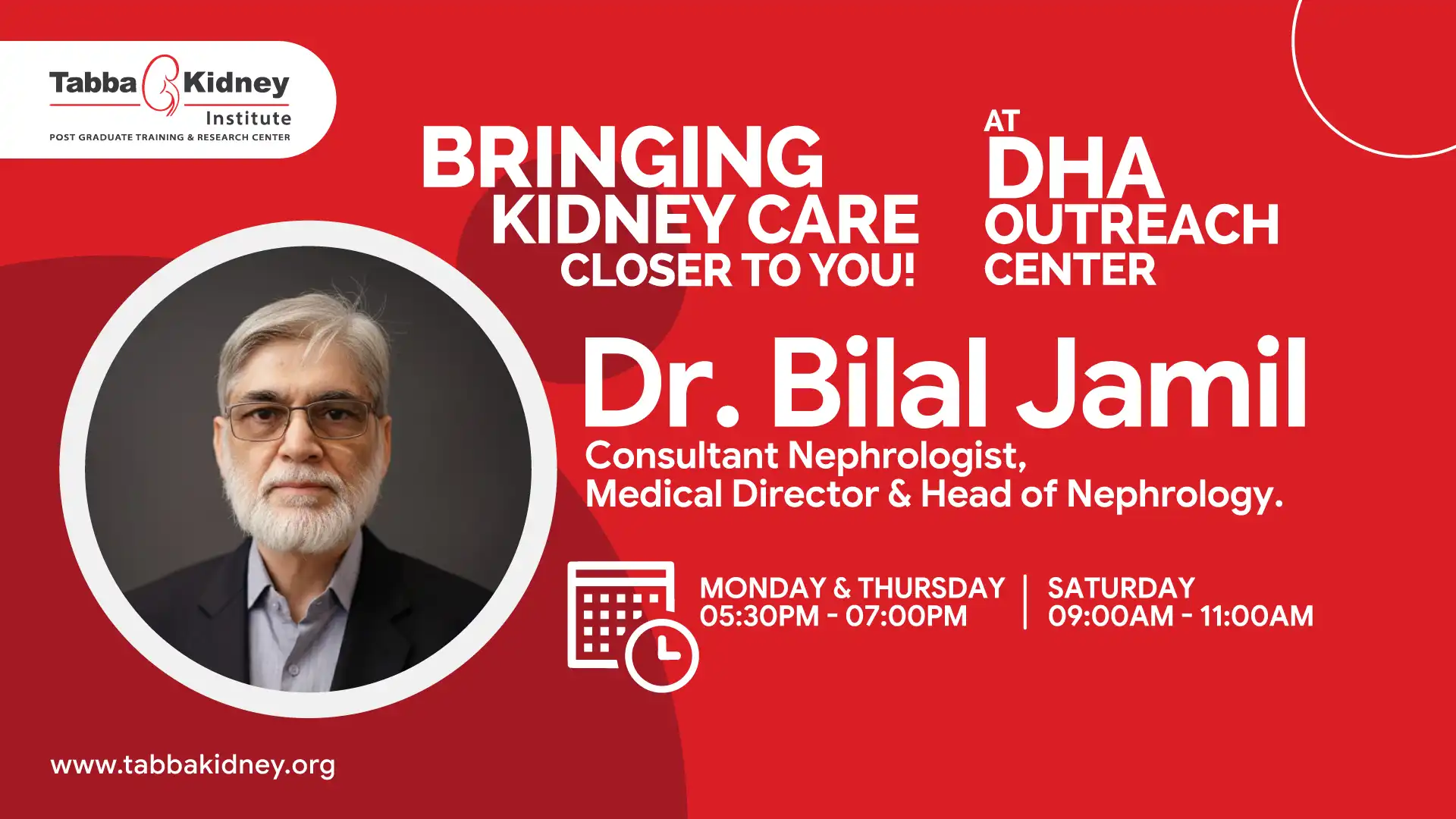
When considering the above criteria, Tabba Kidney Institute excels on every front. Specializing in complete renal care, it is equipped with state-of-the-art technology and maintains a team of highly skilled doctors, surgeons, and well-trained nursing staff. The institute is ISO 9001-2015 certified while the laboratory is certified by the College of American Pathologist (CAP) 2023-24, reflecting its commitment to maintaining international standards.
Moreover, Tabba Kidney Institute prioritizes infection control and hygiene, with dedicated protocols to ensure the safest environment for patients. Its cutting-edge diagnostic facilities and exposure to a wide range of complex surgeries ensure that patients receive the most advanced and effective treatments.
Above all, the institute is committed to seeing patients through their full recovery. With Intensive Care Units for critically ill patients, genuine high-quality medications, and continuous care until full recuperation, Tabba Kidney Institute stands as a model of excellence in healthcare. By choosing a hospital that meets these stringent criteria, like Tabba Kidney Institute, you can be confident in receiving top-notch care, from diagnosis to complete recovery.