Causes, Symptoms, and When to Seek Help
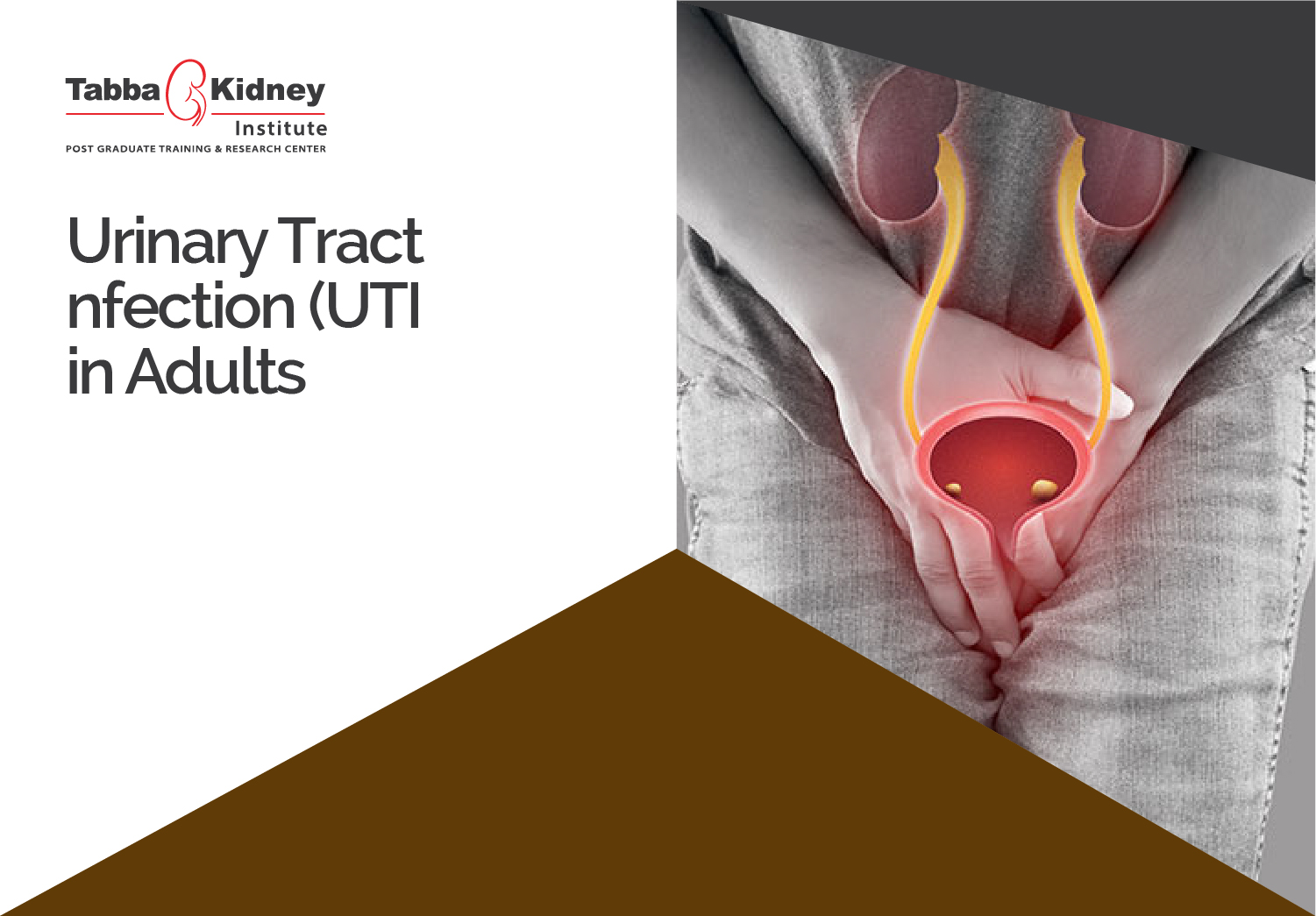
Urinary tract infections (UTIs) are among the most common bacterial infections affecting adults,
especially women. They occur when harmful bacteria enter and multiply in the urinary tract,
which includes the bladder, kidneys, ureters (the tubes connecting the kidneys to the bladder),
and the urethra (the tube that carries urine out of the body).
Though often mild and treatable with antibiotics, UTIs can be uncomfortable and in some cases,
serious if left untreated.
Who is Affected?
While anyone can get a UTI, women are significantly more prone due to anatomical factors.
Some women experience recurrent UTIs, facing the infection multiple times a year. This article
focuses on UTIs in adults UTIs in children require separate medical guidance.
Types of UTIs & Their Symptoms
Lower UTIs
These include infections of the bladder (cystitis) and urethra. Common symptoms include:
- A need to urinate more frequently than usual
- Pain or burning sensation while urinating
- Sudden, urgent need to urinate
- Feeling like your bladder isn’t fully empty
- Pain in the lower abdomen
- Cloudy, foul-smelling, or bloody urine
Feeling tired, achy, or generally unwell
Tip: Lower UTIs are common and usually not serious. Your pharmacist can provide treatment
advice and medication.
Upper UTIs
These involve the kidneys or ureters and are more serious. They can cause all the symptoms of
lower UTIs plus:
- High fever (38°C or higher)
- Pain in your sides or lower back
- Shivering and chills
- Nausea or vomiting
Confusion, agitation, or restlessness
Upper UTIs require urgent medical attention as they can lead to kidney damage or even sepsis
(a life-threatening condition).
When to Speak to a Doctor
You should urgently consult a GP or call 03-111-(KIDNEY) 543639 or your local health provider
if:
- You or someone you care for has a high fever or feels shivery
- Body temperature drops below 36°C
- There is confusion or drowsiness
- There is visible blood in the urine
- There is persistent pain in the lower tummy or back
These signs may indicate a kidney infection, which needs immediate treatment.When to See a GP (Non-Emergency)
Make an appointment with your GP if: - You suspect an upper UTI
- Symptoms are severe or worsening
- Symptoms don’t improve within a few days
- You get frequent UTIs
- Symptoms recur after treatment
Final Thoughts
While UTIs are common and usually mild, being aware of their symptoms and knowing when to
seek help is essential for preventing complications. Always consult a healthcare provider for
proper diagnosis and treatment.
Remember: Stay hydrated, practice good hygiene, and don’t delay seeking medical help when
symptoms appear.
Don’t let discomfort and pain hold you back. Tabba Kidney’s Urogynecology Clinic specializes in
treating Urinary Tract Infections (UTI) with care and expertise.
Book your appointment today: https://tabbakidney.org/book-an-appointment/